Mindfulness Exercises to Calm Stress in the Moment
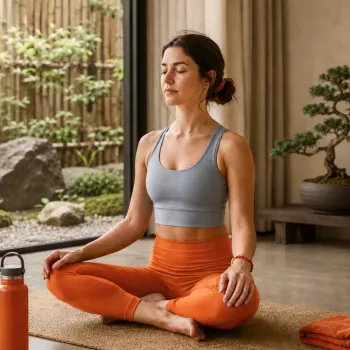
How do mindfulness exercises help you feel calmer during a stressful moment?
Mindfulness exercises help you feel calmer by shifting your brain and body out of “alarm mode” and into a steadier, more regulated state. Stress tends to pull attention into worst-case thinking, tight muscles, and shallow breathing. Mindfulness does the opposite: it anchors attention in the present, loosens the grip of racing thoughts, and gives your nervous system a clear signal that you’re safe enough to slow down.
They interrupt the stress spiral in real time
During a stressful moment, the mind often loops through worries, judgments, and “what if” scenarios. A simple mindfulness practice—like noticing five things you can see or feeling your feet on the floor—creates a clean break in that loop. That pause makes your thoughts feel less urgent and more manageable, which reduces emotional intensity.
They calm the body by regulating breath and attention
Many mindfulness exercises include slow, steady breathing or attention to physical sensations. When you intentionally lengthen your exhale, your heart rate tends to settle, and muscle tension can soften. Pairing breath awareness with a neutral focal point (like the rise and fall of your abdomen) reduces overstimulation and helps the body return toward balance.
They build emotional distance from stressful thoughts
Mindfulness doesn’t erase difficult thoughts; it changes your relationship to them. Instead of “I’m panicking,” you practice noticing, “I’m having the thought that something is wrong.” That small shift adds space between you and the stress response, making it easier to choose your next step—rather than reacting on autopilot.
A quick exercise you can use anywhere
Try this 60-second reset: inhale gently for a count of 4, exhale for a count of 6, and silently label what you notice (“tight chest,” “warm hands,” “worrying”). Keep labels simple and factual. Even one minute can lower intensity enough to think clearly and respond more calmly.
For more practical techniques and examples, visit the full guide on mindfulness exercises for stressful moments.
FAQ
How long does it take for mindfulness to reduce stress?
Some people feel a difference in under a minute with slower breathing and grounded attention, while longer-term changes usually come from consistent practice over weeks. The key is repetition: short, frequent sessions tend to work better than occasional long ones.









Leave a comment